Multi-lender standby generator financing for dealers.
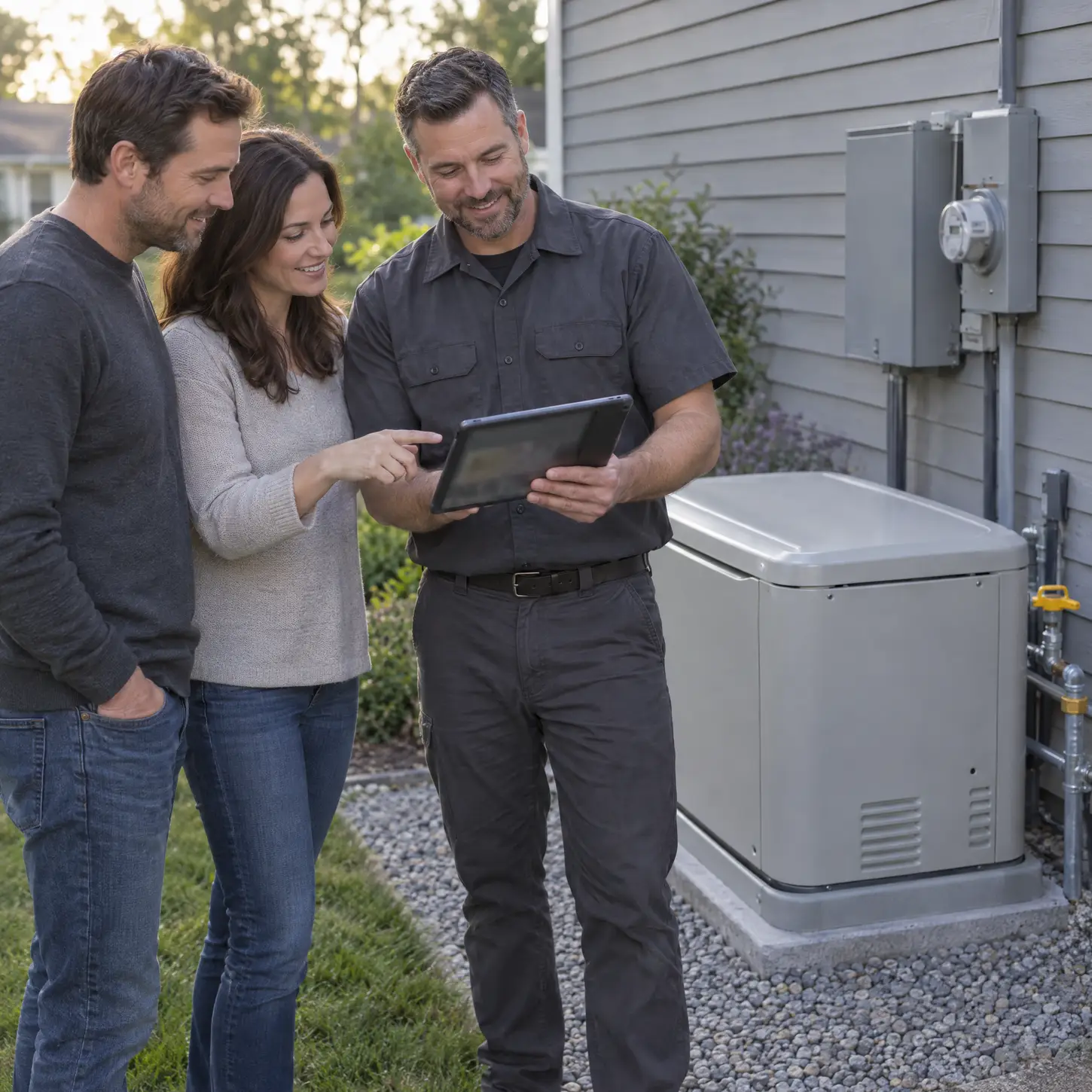
Keep any manufacturer program you offer. When it isn’t the right fit, the homeowner applies once under your brand for the whole install, and participating lenders review it in turn. Ottri charges you nothing.
Generators, switches, gas lines and pads.
For dealers and electricians, any brand.
Eligible programs pay your company directly.
Your name on the application; never sold as a lead.
No setup fee · No subscription · No minimums to sign up
Banks and Lenders
20
Finance projects up to
$750K
Full credit coverage
300–850
One application. Eligible lenders, considered in sequence.
Ottri is a customer financing platform, not floorplan credit, for standby generator dealers and electricians: one branded application for the generator, transfer switch, gas line and pad, which participating lenders consider in turn. Ottri Global LLC is a licensed loan broker (NMLS 2776988), not a lender.
Generator promotions usually cost the dealer. Ottri costs you nothing.
Promotional plans come with a dealer fee that shrinks the install’s margin. Here’s the typical cost, beside Ottri’s.
−$1,120
A 12-month promo
On a $14,000 standby install, a 2019 national lender rate sheet set the dealer’s cost of a 12-month same-as-cash plan at 7.99%, about $1,120, and 13% for 24 months, about $1,820.
$1,500+
A yearly platform fee
Subscription platforms bill $1,500 to $6,000 a year, storm season or not.
$0
Ottri never charges you
No fee to join, no monthly bill and no cut of the install. On eligible programs the lender pays your company. If a lender’s promotional plan carries its own fee, you decide whether to offer it.
No setup fee · No subscription · No minimums to sign up
Promo costs: one national lender’s dealer-fee schedule from 2019, at 7.99% for a year of same-as-cash and 13% for two. Platform fees: published plan prices, July 2026.
Everything a generator dealer needs to offer customer financing.
Sales and the office
Jobs run from a partial-home unit to a liquid-cooled system waiting on a meter upgrade and inspections. Every application and payment sits in one place.
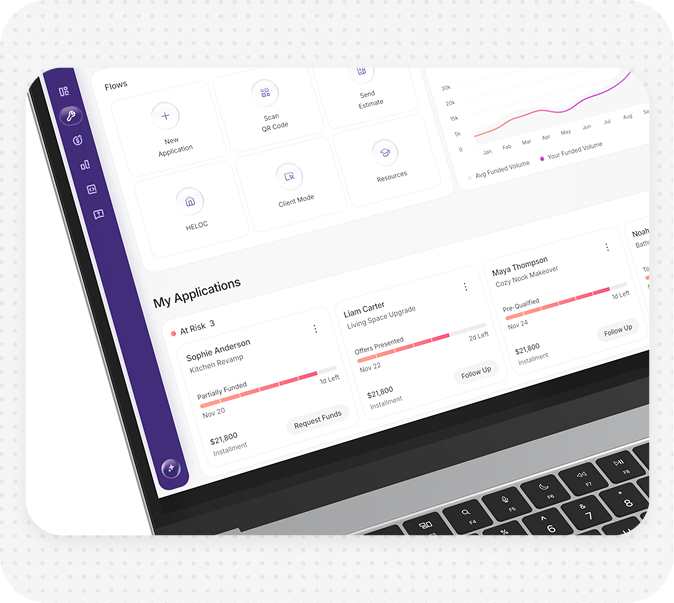
Run financing from one dashboard
Offers, open items and funding for each install, from the site assessment to startup.
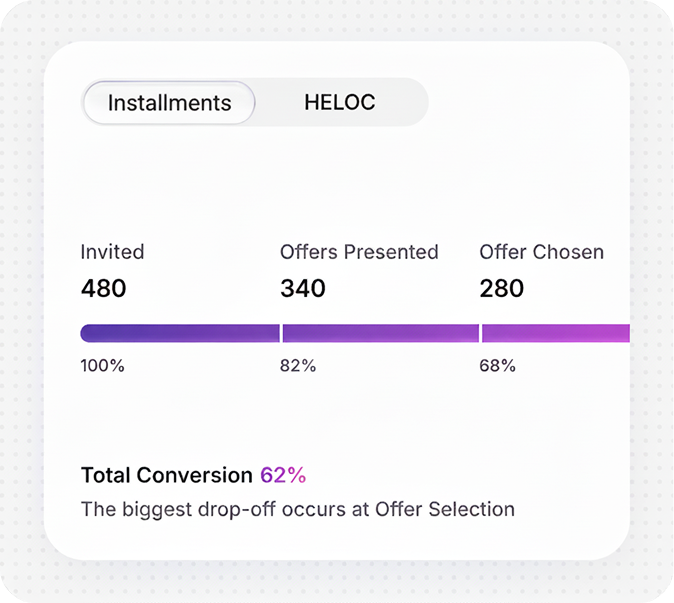
Track every application
Find homeowners who opened an application after the site visit but didn’t submit it.
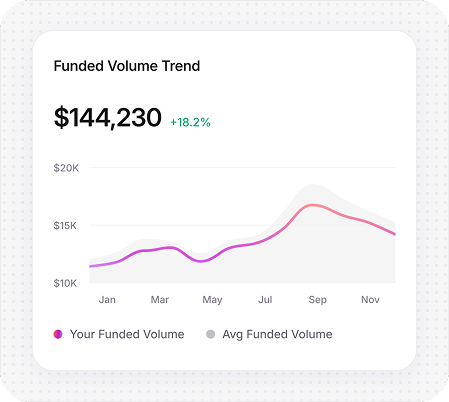
Track funded volume
Track funded installs by salesperson and month.
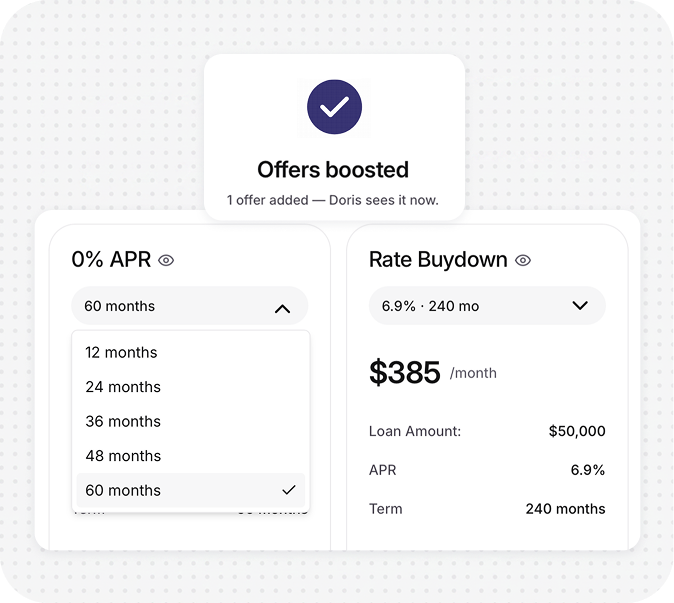
Manage supported promotions
Select the lender promotions you’ll offer, with each one’s cost to you shown up front.
Site assessments
Salespeople send it after the site assessment and load calculation. Owners see which salespeople turn assessments into financed installs.
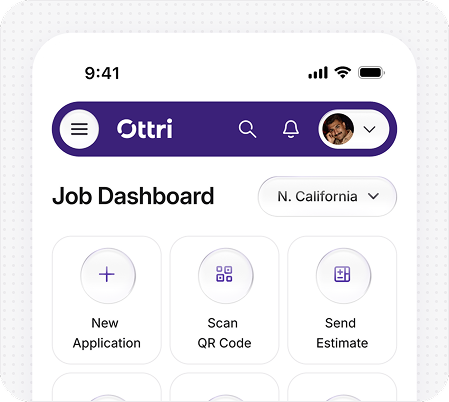
Work from the field
Hand over a QR code at the assessment, or send the link with the proposal.
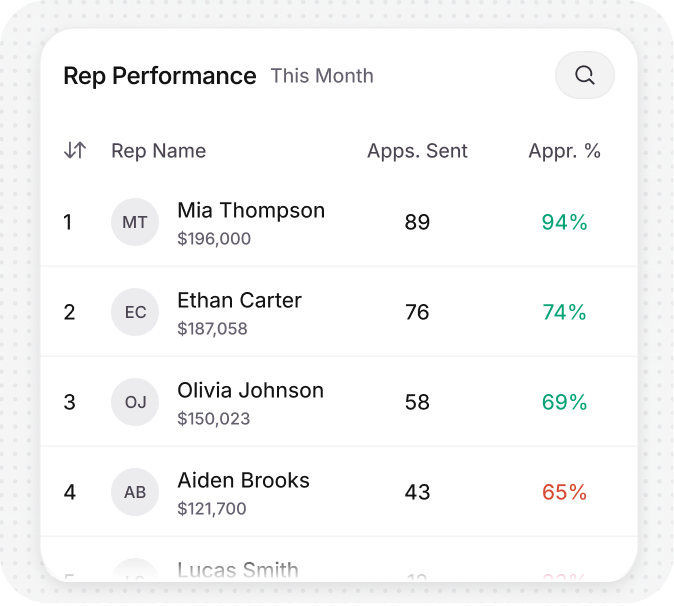
Measure tools and rep adoption
See which salespeople’s assessments become submitted applications.
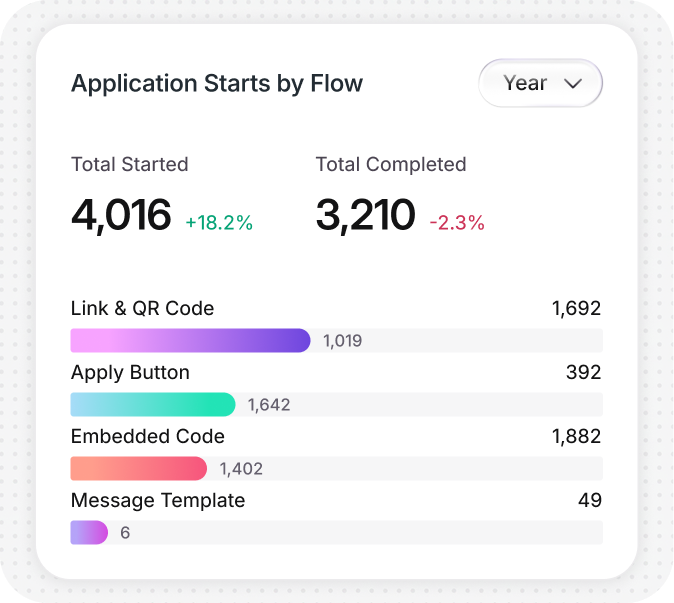
Measure every entry point
Learn whether homeowners start from the proposal’s QR code, a texted link or your web page.
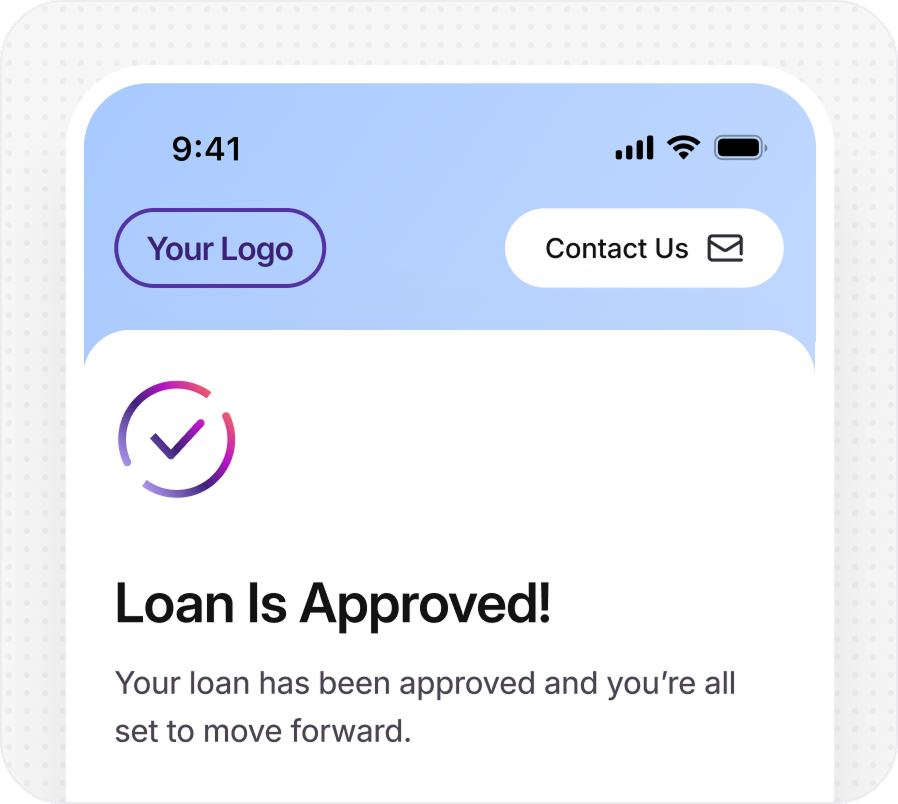
Keep the experience branded
The application carries your branding, so homeowners know it came from you.
After the site assessment, the homeowner applies under your brand on their own phone.

One application, multiple programs
The unit, switch, gas line and pad go on one application that participating lenders consider in turn.

Direct-to-business funding
On eligible programs, the lender pays approved funds to your company.

Links, QR codes, and messages
A proposal QR code, a link texted after the assessment, or an email link.

Homeowner-friendly experience
The homeowner gets each offer’s full terms on their own phone and decides on their own time.

Your business stays front and center
From assessment to startup, the application shows your company’s name.

Available promotions
Know a lender promotion’s cost to your company before you put it on a proposal.
See stalled installs and the salespeople who start applications.
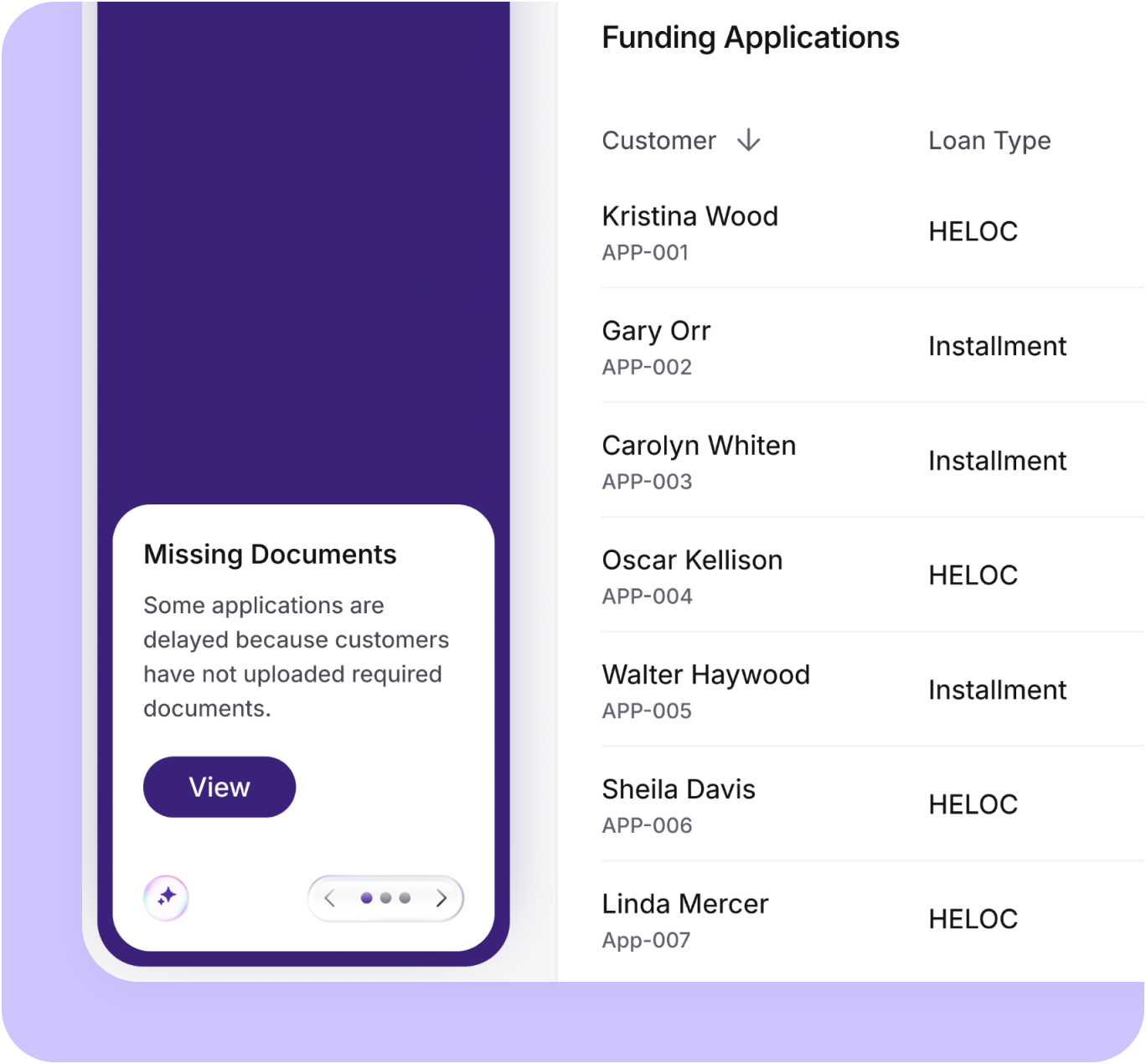
Spot what’s waiting
Find installs stuck on paperwork, an unsigned offer or the final inspection.
Keep follow-up in one place
Close out the lender’s open items before the generator ships.
Keep crews scheduled
Let the office see which installs have financing set before the pad goes down.
See what starts applications
Rank proposal QR codes, texts, emails and site buttons by the applications each one starts.
Compare salespeople
See whose assessments turn into applications.
Improve distribution
Add the link to proposals, follow-up texts and your generator page.
A decline shouldn’t cost the install: 20 lenders in Ottri’s network. All in one place.
With
A disconnected process
Generator, switch and gas on three separate plans.
One program says no, and the sale stalls.
The homeowner pressed to sign at the door.
Promo fees learned after funding.
Approved, then waiting on a missing permit copy.
With Ottri
The whole install on one application.
The next eligible lender reviews it without a new form.
A link the homeowner finishes on their own time.
Each promotion’s cost to you, shown before you offer it.
Each install’s open items and funding status together.
What generator dealers ask before they offer financing.
Updated
Megan Holt
Example: $14,000 22 kW generator, transfer switch, gas line and pad
Prime installment loan
Lender 1
Second-look installment loan
Lender 2
Installment loan, 120 months
Lender 3
Offer received
120-month installment loan for the full standby install
The homeowner reviews every term on their own phone.
We already offer the manufacturer’s financing. Where does Ottri fit?
Alongside it. A manufacturer’s program covers some homeowners and some jobs; for the rest, the homeowner applies once on your branded application and participating lenders consider it in turn, for the generator, transfer switch, pad and installation. Put the switch, gas line, pad and permit on their own lines so the lender sees the whole install.
- One price for cash and financed buyers; full terms on the homeowner’s phone.
- Gas, propane and meter work may be checked separately; itemize each line.
- On eligible programs the lender pays your business; Ottri charges you nothing.
Sources: 12 CFR 1026.24 (advertising credit terms).
Standby generator costs, sources 2023–2026
HomeGuide (2023–2026)
| Job | Typical cost | Programs that often fit |
|---|---|---|
| Interlock, portable unit | $400–$850 | Cash |
| Automatic transfer switch | $600–$2,500 | CashInstallment |
| Partial-home, 13–16 kW | $6,000–$10,000 | Installment |
| Whole-home, 17–20 kW | $7,000–$11,000 | Installment |
| Whole-home, 22–25 kW | $9,500–$24,000 | Installment |
| Liquid-cooled, 30–48 kW | $15,000–$28,000 | Installment |
What does a standby generator cost installed in 2026?
Guides put a 17 to 20 kW whole-home unit at $7,000 to $11,000 installed and 22 to 25 kW at $9,500 to $24,000, with long gas runs and bigger units at the top. The transfer switch, gas line, pad and permit drive the spread, and maintenance runs $200 to $650 a year.
- No federal tax credit covers a standby generator; the battery one ended after 2025.
- A gas line runs $400 to $1,500 or more; moving the meter, $1,000 to $4,500.
- Keep yearly maintenance plans off the application; finance the installed system.
Sources: HomeGuide, natural gas generator cost (December 2025), whole-house generator cost (December 2025), transfer switch cost (April 2023), gas line cost (January 2026) and maintenance cost (January 2026); IRS, residential clean energy credit (July 2026); 26 U.S.C. §25D(h), as amended by Public Law 119-21, §70506 (July 2025).

Clearances measured first
What sets the timeline on a standby install?
Code, clearances and gas. Recent electrical codes call for an outdoor emergency shutdown for the generator and an outdoor disconnect when the service is replaced, and fire code keeps units 5 feet from windows, doors and vents; only tested, labeled units sit closer to the wall. The gas utility decides meter capacity, so confirm it before you promise a date.
- Texas bars HOAs from banning qualifying standby generators of 7 kW or more.
- Florida counts fixed generators as hurricane protection HOAs must approve to spec.
- Many towns require carbon monoxide alarms when permitted work is done; check locally.
Sources: National Electrical Code 445.18(D) and 230.85 (2020 edition, as adopted locally); NFPA 37 clearances; Texas Property Code §202.019; Florida Statutes §720.3035; LG&E residential gas tariff (February 2026); International Residential Code R315 (carbon monoxide alarms).
Daniel Reyes
Example: 22 kW generator, transfer switch, gas line and pad
Site visit, time to cancel ended
You and the homeowner
Application approved, permits filed
Lender and city
Unit set, switch and gas connected
Your crew
Inspection passed, homeowner confirms
Inspector and homeowner
Paid to your business
Lender, on eligible programs
Next step
Homeowner confirms the generator is installed and running
How should generators be sold after a storm?
By the book. A sale of $25 or more at the home carries 3 business days to cancel, even when the homeowner called you, and an emergency waiver needs their own handwritten statement, which rarely fits an install that waits on permits and gas work. Keep deposits within your state’s cap, and don’t raise prices during a declared emergency.
- Beyond the down payment, California bars collecting ahead of the work, even from a lender.
- Most programs pay after the homeowner confirms the install; some pay at signing.
- Michigan’s attorney general sued, alleging generator deposits were never refunded.
- Outages swing with storms: 11 hours on average in 2024, about 4.5 in 2025.
Sources: 16 CFR 429 (FTC Cooling-Off Rule); California Business and Professions Code §7159.5; deposit rules in Maryland §8-617, Pennsylvania 73 P.S. §517.9, Florida §489.126 and New York Lien Law §71-a; Michigan Attorney General, generator deposit lawsuit (September 2026); EIA, 2024 outage hours (December 2025) and Electric Power Annual, Table 11.1 (October 2026).
Standby generator financing questions, answered.
How can generator dealers and electricians offer customer financing?
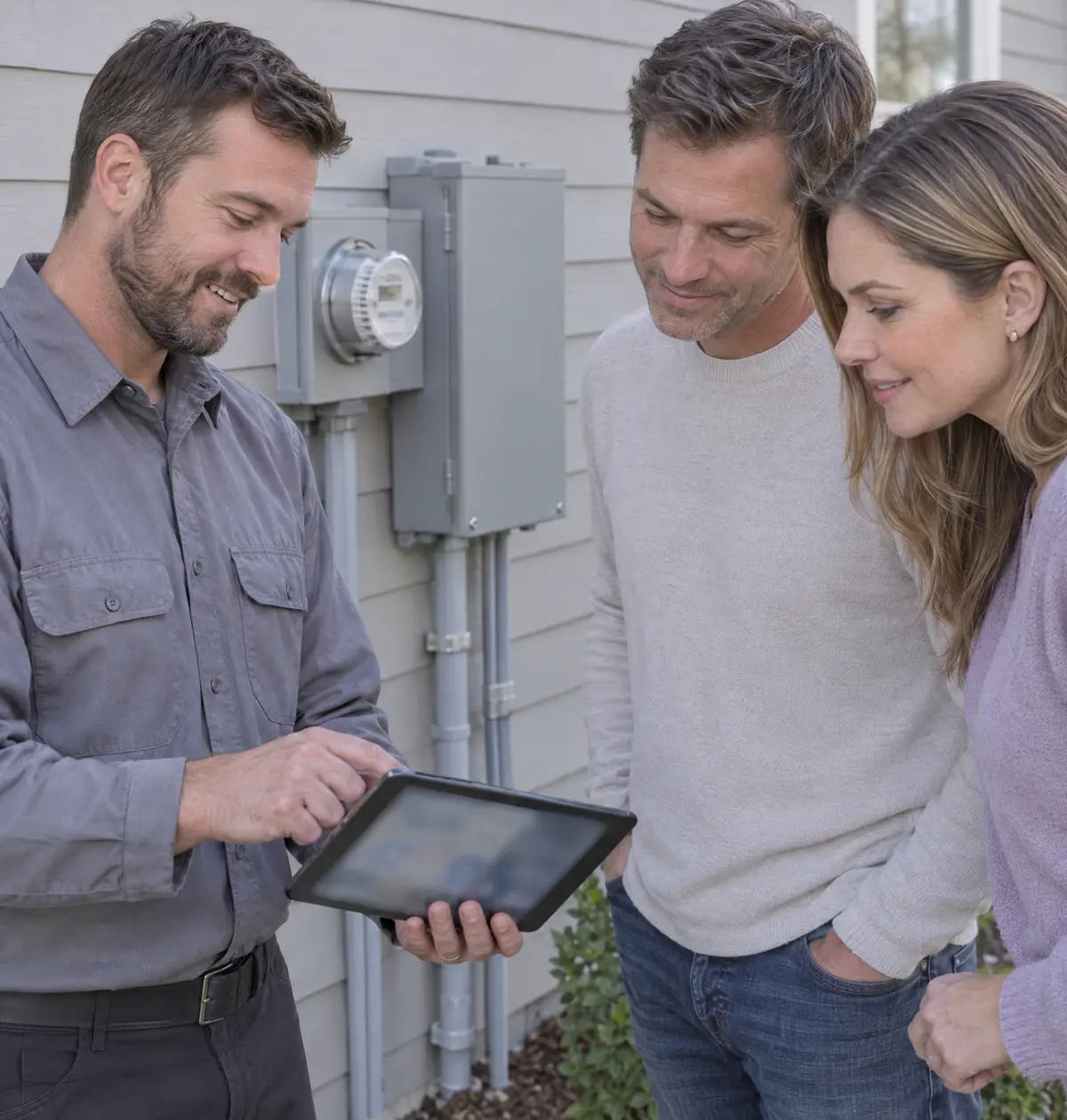
Put it on the estimate as one way to pay, beside cash and any manufacturer program you carry. The homeowner fills in one branded application for the installed system on their own phone; participating lenders take it in sequence, and an eligible program pays your company. It’s customer credit, not floorplan, and Ottri never bills you.
Can the generator, transfer switch, pad and installation go on one application?
Yes, as one contracted install priced once and within each program’s limits. Itemize the generator, switch, gas or propane line, pad, permit and any meter allowance, since some programs check fuel work separately. Keep yearly maintenance plans and extended warranties off the application.
Is there a tax credit for a home standby generator?
No. The federal residential clean energy credit never covered generators, and its battery storage credit ended for spending after December 31, 2025. Leave tax savings out of the sales conversation; the homeowner can ask a tax preparer about anything local.
What if the gas meter is too small for the generator?
The utility decides capacity and may charge for a meter or service upgrade, and at least one large utility’s tariff makes generator gas service depend on available capacity. Put an allowance on the estimate, ask the utility before promising a start date, and sign a change order if the upgrade costs more.
How close to the house can a standby generator go?
Generally 5 feet from windows, doors and vents under the fire code, and as close as 18 inches to the wall only for units tested and labeled for it. Local code and HOA rules can be stricter, so measure before you quote the pad location.
What happens when the first lender declines a generator install?
The same application moves to the next eligible lender, so the homeowner doesn’t retype it, and before each lender’s step the screen shows whether that credit check is soft or hard. A later lender may approve, sometimes for less; size the unit to the approved amount before you order. If none approves, an interlock for a portable generator may fit the budget.
How much deposit can we take on a backordered generator?
Less than many dealers expect. California caps the down payment at $1,000 or 10%, whichever is less, with no lender money ahead of the work. In Maryland the cap is one-third; in Pennsylvania, one-third on jobs over $5,000; in Florida, deposits above 10% start permit and start deadlines; in New York, payments go into escrow or a bond.
What do dealers and electricians need to sign up?
Open your account online and add your EIN and company details, your electrical or contractor license, insurance certificate, a sample install contract, the owner’s ID and the account for deposits. No manufacturer dealer agreement is required. Ottri reviews each company before it goes live, and every lender then applies its own standards, such as time in business.
Who approves the financing and sends the funds?
The lender reviews the application, sets the terms and, on eligible programs, pays your company directly; most pay after the homeowner confirms the install, and some pay at signing. Ottri Global LLC is a licensed loan broker, NMLS 2776988, and is not a lender.
How should reps present a no-interest promotion so nothing is misstated?
Say what happens at the end: if the balance isn’t paid in time, some plans charge interest back to the purchase date, so never call one interest-free or 0%. Put the price, rate, term and total side by side, and let the homeowner read each lender’s full terms on their own phone before signing.